Issues & Platform
Issues & Platform
Chula Vista has planned better than many cities, but the next challenge is making that success visible in people's daily lives. As Mayor, I would focus on lowering the cost of living, making government easier to understand and participate in, and making sure no one gets left behind.
That means reducing city-created barriers to housing and small business growth, making transportation more useful, improving childcare and youth support, using Measure P transparently for lasting infrastructure, and building better systems for residents to get help before they fall into crisis.
It also means changing how City Hall communicates. Residents should not need insider knowledge or hours of free time to participate. I want simple district updates, a Friday Mayor summary, real-time anonymous feedback, better Spanish and multi-language access, and clear public dashboards so people can see what is happening and whether government is delivering.
My goal is not to start over. Chula Vista is already a great city. My goal is to make it work better for everyone.
1. Lower the Cost of Living
Reducing the cost of living requires both immediate action and long-term planning. That means increasing housing supply, supporting working families, and making sure city policies don't unintentionally drive up costs. When government works efficiently and predictably, residents and businesses both benefit.
Housing & Homeownership
Over the last 30 years, housing costs have increased dramatically, creating a gap between those who bought early and those trying to enter the market today. Expanding supply and removing unnecessary barriers is essential to restoring balance.
- Expand ADU and JADU access with clear timelines, pricing, and investor connections
- Empower homeowners, including those in restricted communities, to build responsibly
- Support first-time homebuyer and homeowner assistance programs, and ensure people know they exist
- Promote balanced solutions that support renters, homeowners, and responsible development
Smart Growth & Economic Opportunity
Growth is coming to Chula Vista. The question is whether we shape it in a way that reduces costs, improves mobility, and strengthens community. Smart planning can reduce traffic, lower transportation costs, and create more connected neighborhoods.
- Focus new housing and mixed-use development near jobs and transit
- Support local businesses that create jobs and strengthen the economy
- Ensure development decisions are predictable, transparent, and community-informed
- Promote public transportation to reduce congestion and cost of living
- Improve public transportation to better compete with single-occupancy vehicles
- Designate Third Avenue as an entertainment district
Affordable Childcare
Childcare should support families, not strain them. For many, it is the deciding factor in whether they can work, pursue education, or stay in Chula Vista long-term. Increasing supply, improving coordination, and reducing friction can make a meaningful difference.
- Expand access through partnerships with local providers
- Reduce barriers that limit availability and transparency
- Help providers navigate grant funding and state licensing
- Ensure families in every neighborhood have reliable options
- Improve coordination to fill sudden childcare gaps
Responsible City Spending
Every dollar should be used in a way that delivers real value to residents. By improving processes, reducing redundancy, and focusing on data-driven outcomes, the city can stretch resources further while maintaining high-quality services.
- Oppose unnecessary fee increases that impact working families
- Prioritize efficient use of taxpayer dollars
- Identify and eliminate wasteful or redundant spending
- Improve internal processes to reduce delays and inefficiencies
2. Make Chula Vista Easy to Understand and Participate In
Chula Vista is a great city, but too often, residents don't know what's happening or how to get involved. The system works, but not always for those without the time or resources to navigate it. Government should be clear, accessible, and responsive to everyone.
Clear & Accessible Communication
Residents deserve clear, timely, and understandable information about what their city is doing and why. Communication should be proactive and designed to reach people where they are.
- Provide plain-language explanations of city decisions and policies
- Ensure information is available in multiple languages
- Communicate proactively, not just when residents ask
- Adopt a "no wrong door" approach for government services
Modern Tools & Smart Systems
Technology should make city services easier to use, not harder to understand. With the right tools, residents can stay informed, and staff can work more efficiently.
- Modernize the ACT Chula Vista app with personalized, real-time updates
- Develop simple dashboards for key city initiatives
- Use technology to improve efficiency and reduce staff workload
Transparency & Accountability
Trust in government comes from clear, consistent communication and visible results. Residents should be able to easily understand how decisions are made and how resources are used.
- Publish clear, easy-to-understand breakdowns of city spending
- Communicate before, during, and after major decisions
- Apply accountability standards across departments and contracts
- Launch an optional Transparent Pricing Initiative so residents know costs upfront
Easier Civic Participation
Everyone should have a meaningful opportunity to be heard, not just those who have time to attend meetings. Expanding access to participation strengthens both decisions and community trust.
- Make it simple to submit feedback and participate in decisions
- Provide accessible meeting summaries for those who can’t attend
- Create systems that allow residents to stay engaged, even with busy schedules
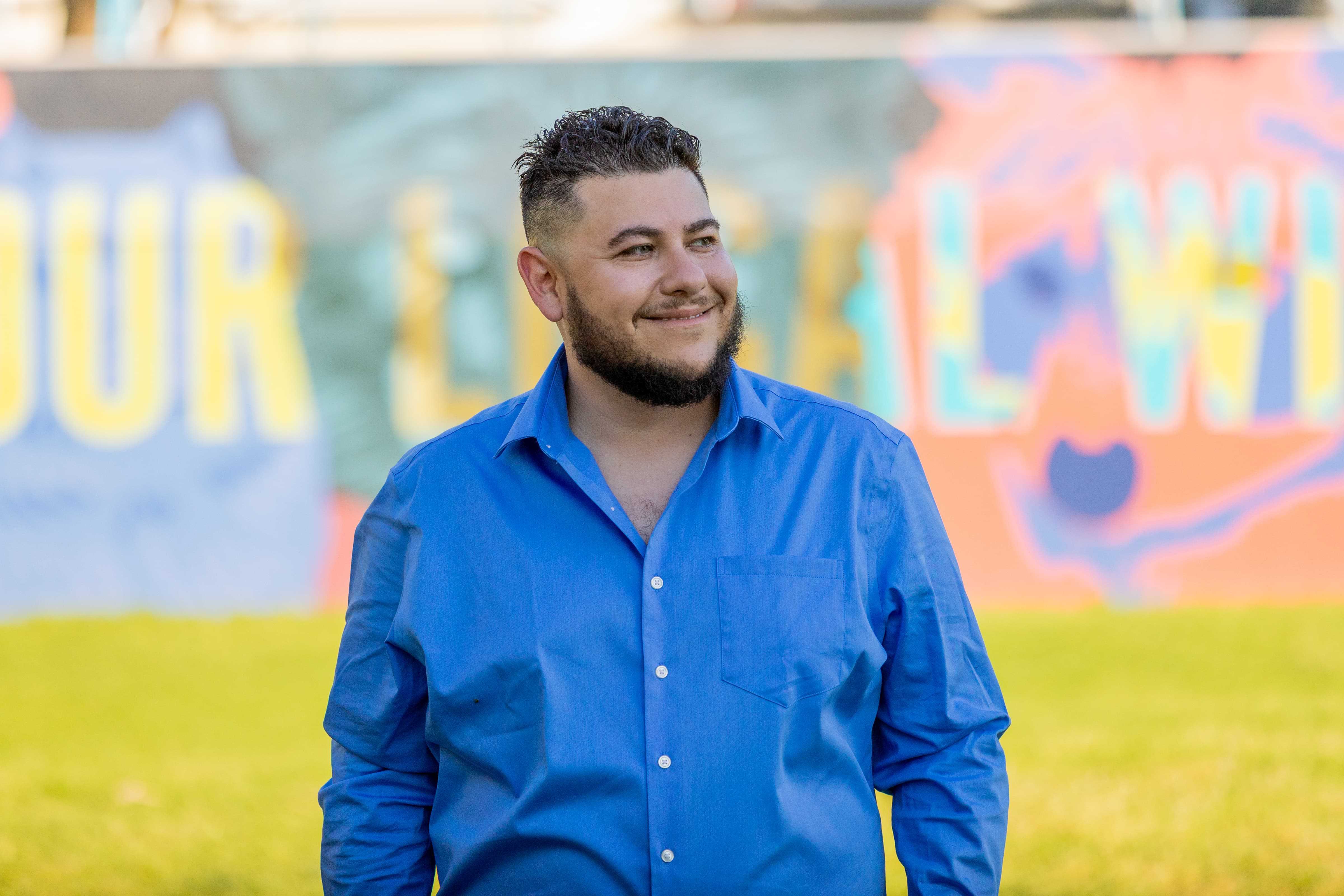
Out in the Community
From housing and transportation to neighborhood safety and city services, Yair is committed to listening to residents and working alongside community members, local businesses, and subject-matter experts to deliver real solutions for Chula Vista.
3. Make Sure No One Gets Left Behind
A stronger Chula Vista means making sure every resident has a path forward. That includes addressing homelessness, supporting health and well-being, investing in youth, and strengthening community support systems.
Addressing Homelessness with Real Solutions
No one should be forced to live unsheltered in a city like Chula Vista. Addressing homelessness requires both compassion and practicality, with solutions that are scalable and effective.
- Expand lower-cost, high-capacity options like overnight shelters
- Improve transitional housing pathways to long-term stability
- Strengthen coordination with county and regional providers
- Support outreach teams with the tools they need
Health & Community Well-Being
While many healthcare systems operate at the state and federal level, the city can play a role in improving access, coordination, and outcomes for residents.
- Expand access to mental and behavioral health services
- Support mobile health services in underserved areas
- Advocate for better staffing to reduce wait times
- Promote price transparency in healthcare
- Support cross-border care coordination for our binational community
Supporting Youth, Education & Families
Strong communities are built by supporting the next generation. Even where the city is not the primary authority, it can play a meaningful role in strengthening outcomes for youth and families.
- Partner with schools and community organizations to expand programs
- Support teachers with classroom resource funding
- Strengthen coordination between schools and childcare providers
- Expand access to arts, enrichment, and after-school programs
- Connect youth with mentorship and career pathways
Public Safety & First Responders
First responders are the backbone of public safety in Chula Vista. Supporting them ensures the entire community remains safe and prepared.
- Support competitive compensation and retention
- Invest in training, including mental health and de-escalation
- Ensure adequate staffing and modern equipment
- Provide health and wellness support for first responders
Parks & Public Spaces
Parks and public spaces shape daily life in every neighborhood. Equitable investment and consistent upkeep make sure these amenities serve everyone, not just the newest communities.
- Invest equitably across all neighborhoods
- Upgrade facilities and recreational spaces
- Improve maintenance and accountability
Environmental Leadership - Tijuana River Valley
The Tijuana River Valley has endured decades of cross-border sewage overflow and environmental degradation that directly threaten the health of South Bay residents. Real progress requires sustained advocacy, federal and binational coordination, and accountability for polluters.
- Advocate for federal and binational action
- Push for cleanup and restoration
- Publicly identify and challenge polluters
- Ensure an informed public to best take the actions that will help their unique lives
Community Safety & Prevention
Prevention and neighborhood engagement strengthen public safety well beyond traditional enforcement. Practical tools and programs help residents protect themselves and each other.
- Expand prevention-based safety programs
- Support neighborhood engagement initiatives
- Provide tools to reduce risks like identity theft
A Closer Look
Detailed Policy Plans
These plans translate the three pillars above into concrete policy direction. Each area lays out what changes immediately and what we build toward over time.
1. Lower the Cost of Living
Budget discipline, housing supply, transportation, local economy, and family support that together push down everyday costs.
A. Budget
Budget and Fiscal Philosophy
Every spending decision should be tested against outcomes for residents. Disciplined budgeting, clear accountability, and long-term thinking are the foundation of a city that delivers.
Changes now
- Service and process audits before new spending
- Measure P accountability dashboard
- Shift from "project announcements" to life-cycle maintenance
- Budget transparency residents can actually understand
Future years
- Protect reserves while using data to identify targeted investments
- Long-term capital improvement plans tied to measurable outcomes
B. Housing
Housing and Affordability
We need more housing, but we also need housing people can actually afford. The problem is not just unit count, it is cost structure.
Changes now
- Audit the planning process to identify delay costs
- Create clearer checklists for small builders and homeowners
- Improve predictability for ADUs, JADUs, small multifamily, and infill housing
- Lower construction-related friction where the city has control
- Review fees and requirements for whether they improve safety or simply add cost
- Support mixed-use housing near transit, jobs, schools, and services
Future years
- Pursue lower-cost housing models, including shared housing, transitional housing, smaller units where legally allowed, and modular or repeatable designs
- Tie major development approvals to actual community benefit: local jobs, infrastructure, workforce housing, childcare, transportation access, and small business opportunity
- Approach luxury growth carefully, since adding pressure without creating lower-cost options is not progress
The goal is development that lowers costs or creates real public value.
C. Transportation
Transportation
It is not a real choice until public transportation is comparable enough to driving that people can actually use it.
Changes now
- Advocate with MTS and SANDAG for fare relief, starting with youth, seniors, low-income riders, and vulnerable groups
- Advocate with MTS to reverse all recent ticket price increases
- Push for better connections to the Blue Line and major bus routes
- Expand low-cost local circulator options where they work
- Improve last-mile connections, especially for seniors, workers, and students
- Improve transit communication so people know how to actually use the system
Future years
- Integrated transit hubs
- Local electric shuttle and circulator network
- Better connection between housing, jobs, schools, and entertainment districts
- Third Avenue mobility plan tied to nightlife, patios, public safety, and small business growth
- One app or city interface to navigate shuttle, bus, trolley, walking, biking, and rideshare connections
Moving toward lower-cost and eventually no-cost local mobility for vulnerable populations where funding and partnerships make it realistic.
D. Local Economy
Third Avenue and Local Economy
Third Avenue is one of Chula Vista's strongest opportunities to combine local economy, arts, mobility, and community building into a single corridor.
Changes now
- Explore designating part of Third Avenue as an entertainment and cultural district
- Work with businesses on patios, outdoor dining, events, lighting, safety, and mobility
- Connect the corridor to shuttle and circulator service to reduce parking pressure and drunk driving concerns
- Simplify event permitting for small businesses and community groups
- Build arts and culture into economic development
Future years
- Local vendor nights
- Arts and music programming
- City-supported cleanup and safety partnership
- District-level revenue tracking: sales tax, foot traffic, business openings, closures, and event attendance
H. Youth & Families
Childcare, Youth, and Education Support
The city does not run schools, but it can be the strongest wraparound support system for families, providers, and young people across Chula Vista.
Changes now
- Help childcare providers understand grants and funding
- Improve after-school arts, science, and enrichment partnerships
- Use city facilities better for youth programming
- Explore emergency childcare pilot funding
- Create a provider network so families can find available care more easily
Future years
- Citywide childcare resource map
- Shared staffing and resource exchange among providers where legally workable
- Partnerships with school districts, libraries, colleges, nonprofits, and businesses
- Youth arts and science programming in parks, libraries, and public spaces
2. Easy to Understand and Participate
Make City Hall reachable, readable, and usable for every resident, not just those with the time or insider knowledge to navigate it.
E. Participation
Communication and Participation
People should not lose their voice just because they are busy.
Changes now
- Weekday district update system
- Friday Mayor citywide summary
- Plain-language issue explainers
- One-click translation built into the same pages, not separate confusing links
- Real-time feedback on major issues
- Public results shown anonymously
Future years
- ACT Chula Vista expanded into a civic participation platform
- Residents can follow issues by neighborhood or topic
- Notifications for public meetings, projects, permits, road closures, budget items, and council votes
- Built-in translation and simultaneous interpretation for public meetings
- Resident feedback dashboards by issue
F. Access
Spanish and Multilingual Access
Availability is not the same as accessibility.
Changes now
- Improve usability of non-English language information
- Keep translations integrated into the same pages and documents, not buried in separate links
- Support real-time interpretation at public meetings
- Make sure non-English speakers do not lose speaking time because interpretation takes longer
- Partner with trusted community groups, churches, schools, and small businesses
Future years
- Full multilingual civic engagement system
- Multilingual summaries of major city decisions
- Video and audio updates in multiple languages
- Resident feedback collected in Spanish and other languages
3. No One Left Behind
Practical, scalable support for residents facing homelessness, safety concerns, or other hard moments where the city can make the difference.
G. Basic Needs
Homelessness and Basic Needs
Basic needs should be low-cost or no-cost where possible, because dignity and stability prevent worse outcomes.
Changes now
- Audit homelessness spending for cost per person served and outcomes
- Improve day shelter access: restrooms, showers, food, charging, and service navigation
- Partner with nonprofits, faith groups, schools, the County, and state agencies
- Make service navigation easier through one triage line or portal
- Ensure expensive projects are evaluated for scalability before committing
Future years
- Lower-cost shared housing models where legally allowed
- Transitional housing structured around stability, with longer-term placements for residents who need them
- Fresh-food cafeteria and day shelter concepts
- Public-private partnerships for hygiene, food, storage, and case management
- Better tracking of outcomes after placement
Building lower-cost, scalable stability options so people are not left outside while we wait for perfect solutions.
I. Public Safety
Public Safety and Trust
Public safety works best when people trust local government enough to report crimes, ask for help, and cooperate.
Changes now
- Support CVPD focus on serious crime, response times, community trust, and prevention
- Avoid local resources being diverted into actions that damage trust with residents
- Support state-law-aligned policies that protect residents from discrimination based on protected class
- Improve language access in public safety communication
- Support safe storage education, GVRO awareness, youth prevention, and mental health access
Future years
- Stronger neighborhood safety partnerships
- Violence prevention rooted in schools, families, mental health, and community organizations
- Public dashboards on response times, trust, and outcomes
- Clear accountability for outside agencies operating locally, within lawful limits
How We Get There
Implementation Roadmap
A practical plan only matters if you can see when each piece moves. Here is the rough sequence: what starts in the first 100 days, what unfolds across the first year, and what we build toward over a full term.
First 100 Days
Move fast on the work that requires no new money: listening, transparency, and convening the right people.
Launch a "Cost of Living and Barriers" review
- Permits
- Housing delays
- Small business barriers
- Childcare barriers
- Transportation gaps
- City communication failures
Start weekly communication reform
- Mayor Friday update
- District update pilot
- Plain-language summaries
- Non-English-access review
Measure P transparency
- Public dashboard
- Useful-life tracking
- Project delay tracking
- District-level infrastructure visibility
Third Avenue working group
- Businesses
- Arts groups
- Residents
- Police and fire
- Mobility partners
- Review parking and transit
Basic needs and service navigation review
- Homeless services assistance
- Accessible restrooms and showers
- Food access
- Single point of contact
- County and nonprofit partners
Year 1
Turn the listening and audits into concrete operational changes residents can see and feel.
Affordability
- Publish permit delay audits
- Lower-cost construction recommendations
- Small builder, ADU, and JADU support improvements
- Release childcare provider support plan
Participation
- Weekday and weekly city updates
- Real-time anonymous feedback pilot
- Better meeting summaries
- Translation and interpretation improvements
Transportation
- MTS and SANDAG advocacy agenda
- Local circulator expansion review
- Transit hub feasibility
- Fare relief advocacy
Infrastructure
- Measure P project prioritization
- Maintenance schedule by district
- Storm drains, sidewalks, parks, and roads
Local Economy
- Third Avenue entertainment and cultural district feasibility
- Small business permit simplification
- Arts integration
Years 2 to 4
Scale the structural changes: housing models, transit, civic participation, and basic-needs infrastructure that compound over a full term.
Affordability
- More lower-cost housing models
- Mixed-use implementation
- City-created cost reductions
- Development agreements tied to public benefit
Transportation
- Local shuttle and circulator pilots
- Integrated transit hubs
- Better connections to the Blue Line
- Reduce car dependency for inter city trips
Public Participation
- Full civic notification platform
- Issue tracking
- Public feedback dashboards
- Multilingual engagement
Basic Needs
- Scalable day shelter, hygiene, and food model
- Shared and transitional housing pilots
- Stronger service navigation
- Public outcome reporting
Youth and Childcare
- After-school arts and science network
- Emergency childcare pilot
- Provider coordination
- Better use of city facilities
Chula Vista is already a great city. The goal isn't to start over, it's to make it work better for everyone. By lowering costs, making it easier to understand and participate in your city, and ensuring no one gets left behind, we can build a stronger future for every resident.